About
The Babalawo & the Ile
Babalawo Ifadare Olaifa — born in Nigeria into Ifá ìṣẹ̀ṣẹ̀, fourteen years at the feet of the tradition, and a temple raised in his own village. The Ile sits in Lagos, Nigeria, and serves seekers around the world.
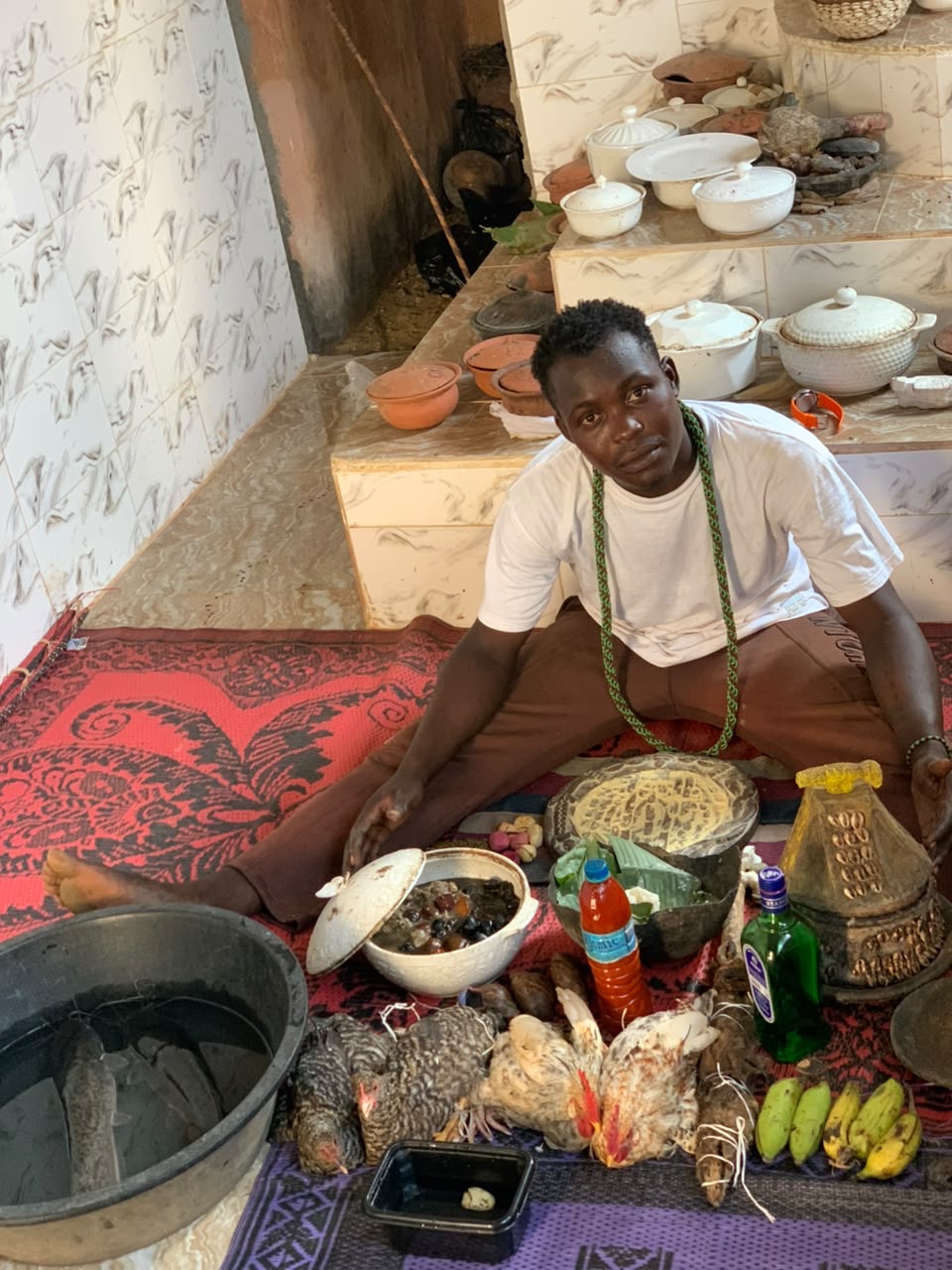
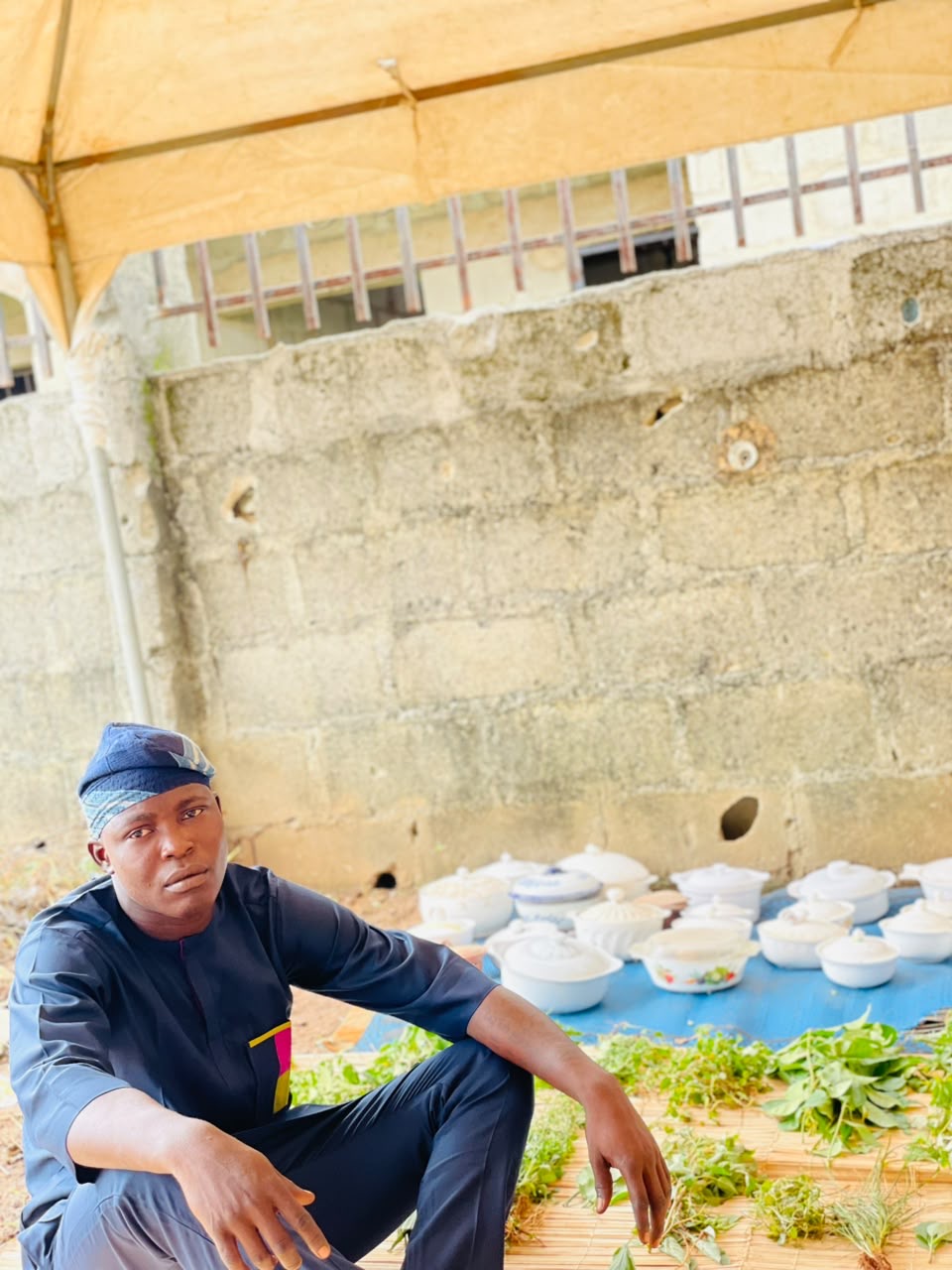
Babalawo Ifadare Olaifa
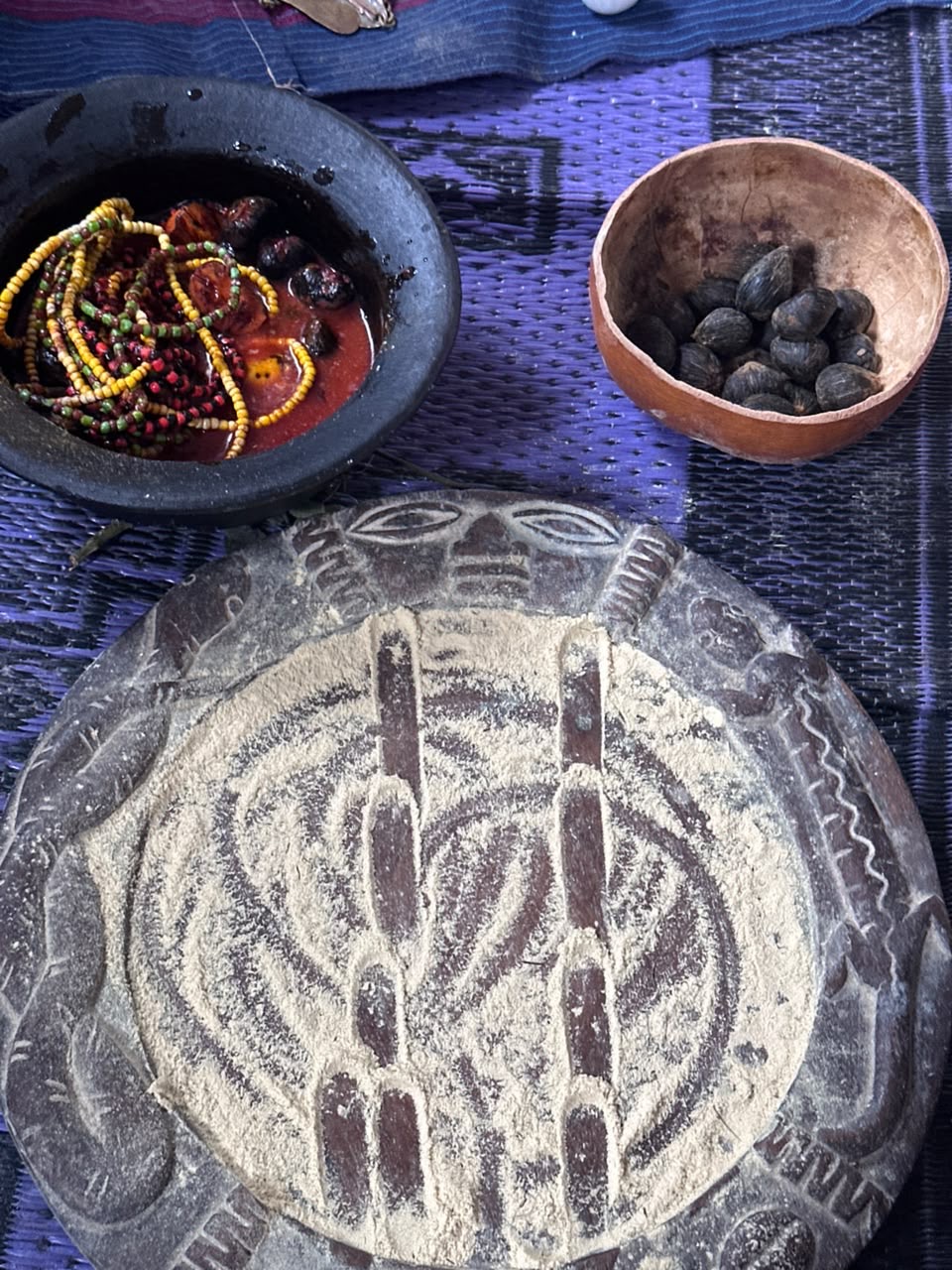
Baba was born in Nigeria, into Ifá ìṣẹ̀ṣẹ̀ — the ancestral practice itself, not a course of study taken up later. The verses, the tray and the ways of the tradition were his first world, the air of his childhood.
When the time came, he left home to learn Ifá — and for fourteen years he did not return. Fourteen years at the feet of his teachers: the odù learned by heart, the discipline of the practice absorbed day after day, away from everything familiar.
Even then he was not finished. He went on to study for two more years in an Ifá institution, and only after that did he complete his freedom in Ifá — the rite that releases a student from apprenticeship and marks him ready to carry the tradition on his own.
Then he did the thing the whole journey had prepared him for: he went back to his village and began. He raised his temple there, and his life as a babalawo began in the place he came from — serving the people around him, and in time, people from wherever they found the Ile.
The mission of the Ile
Ile Ire Owonrin Sogbe exists to keep Ifá accessible and honest: readings at a fair price, teaching for those who wish to learn, and initiation only for those the tradition has made ready.
The house welcomes people of every background. You do not need to be Yoruba, initiated, or already knowledgeable to be received well here.
Inside the house
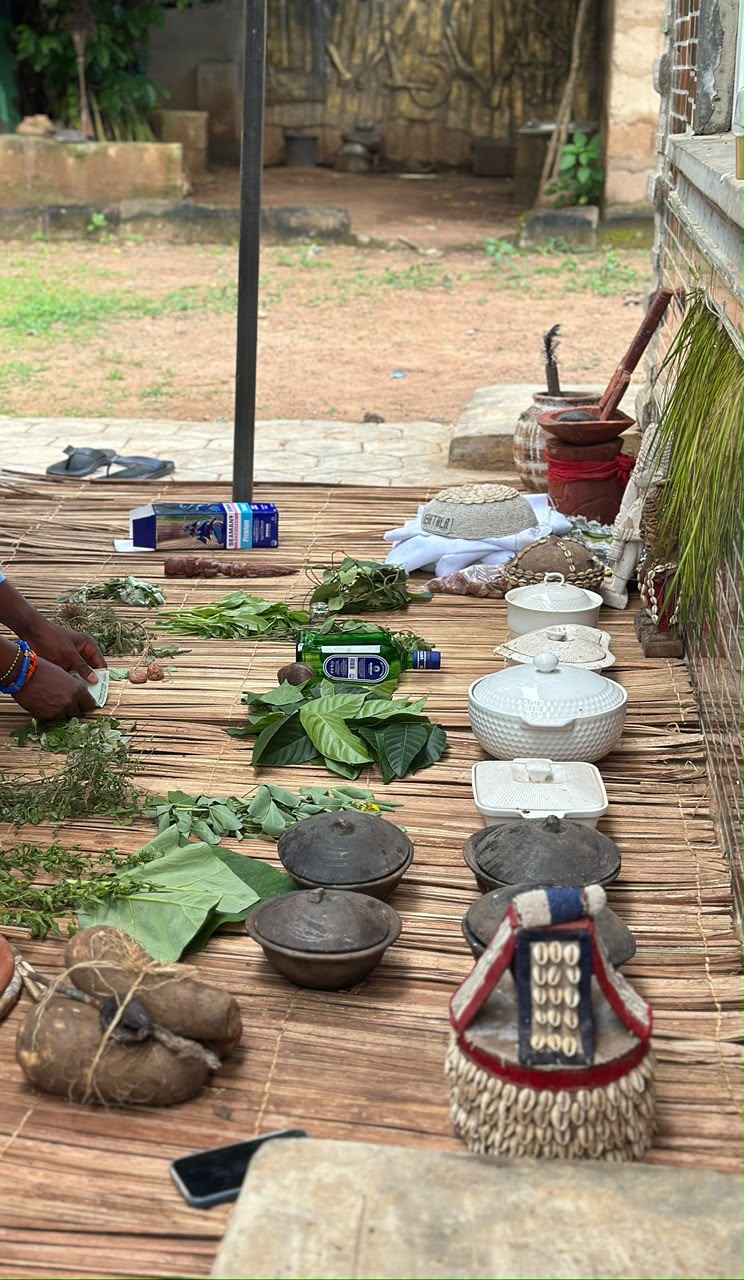
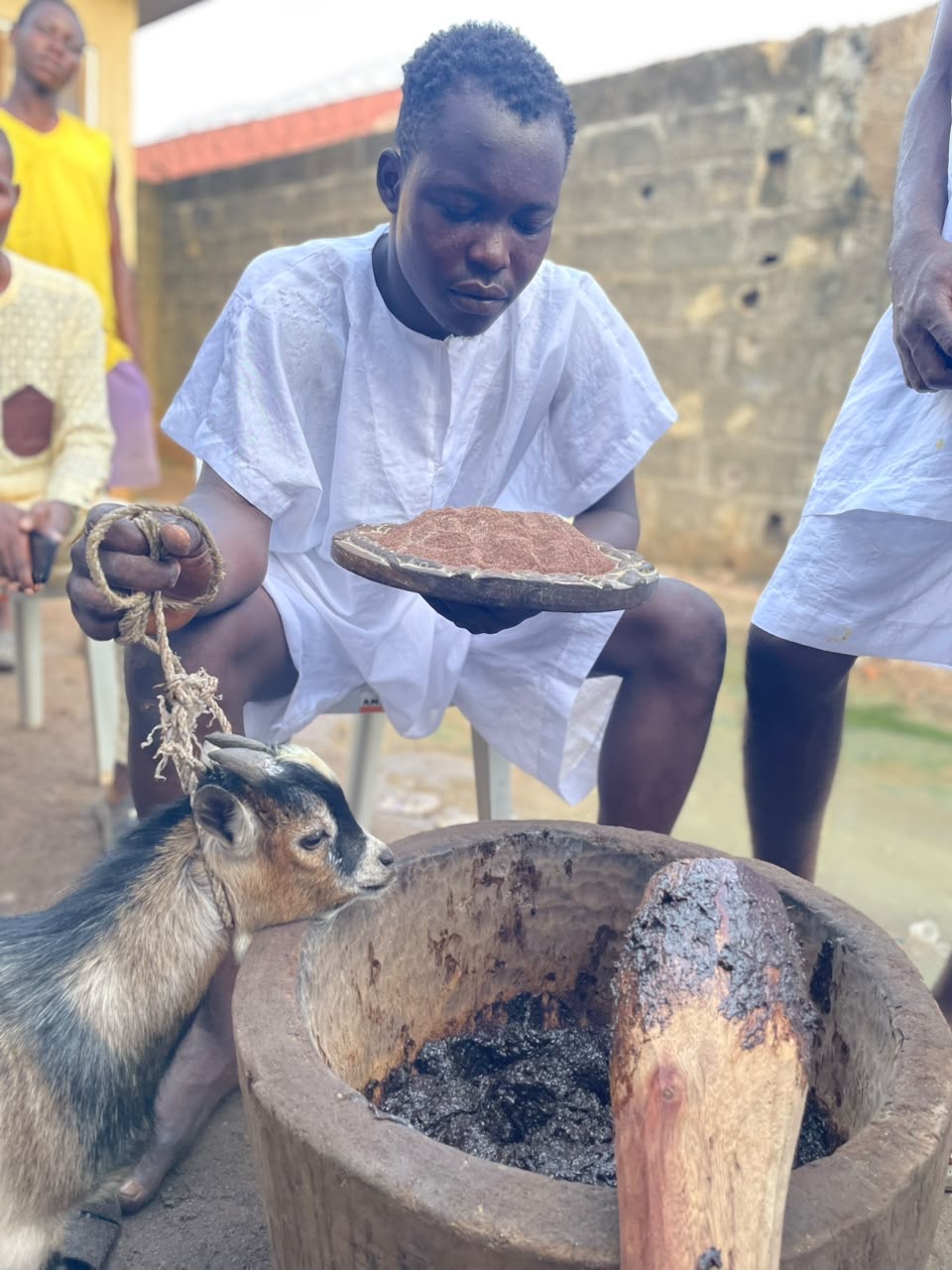
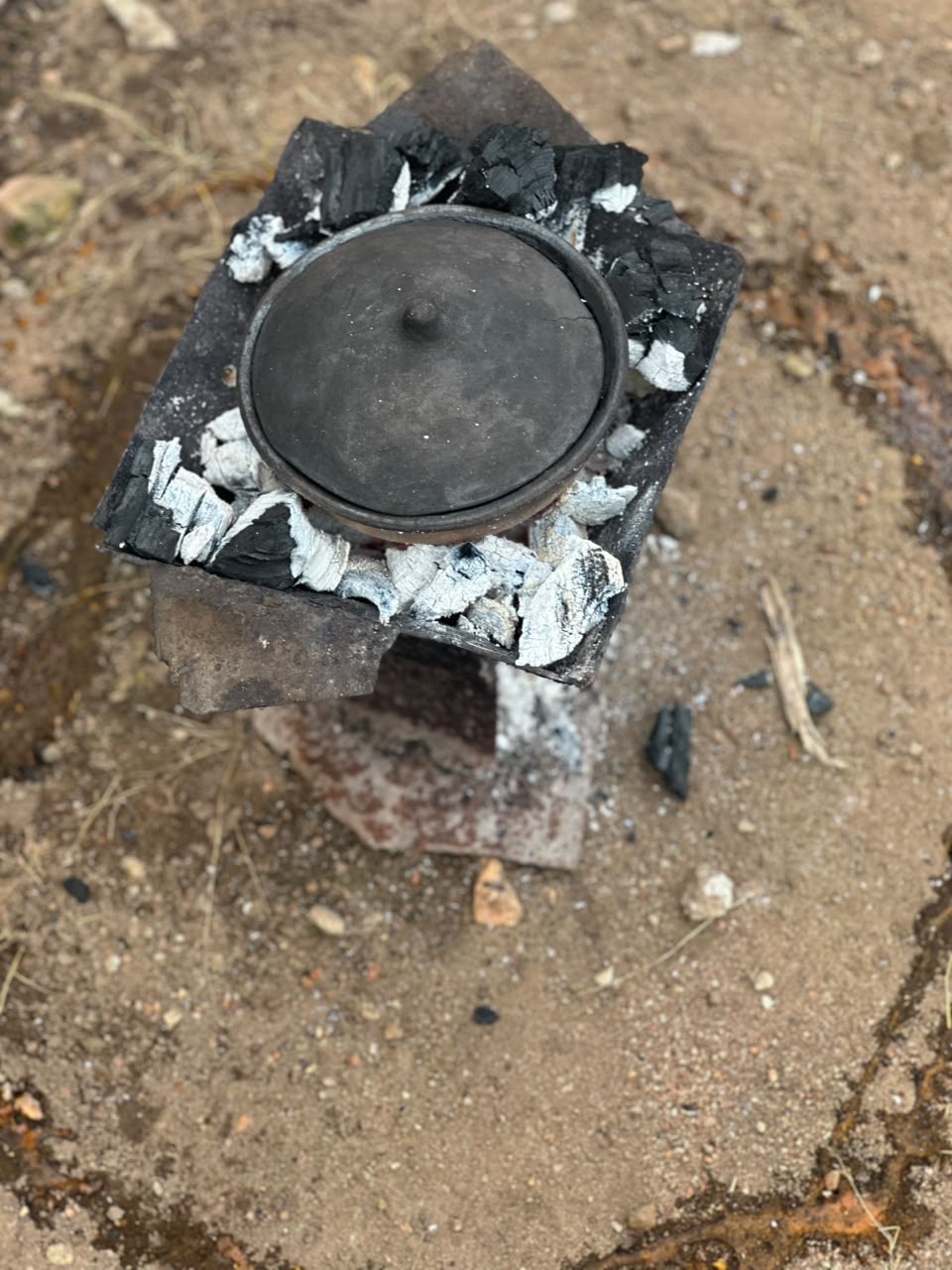
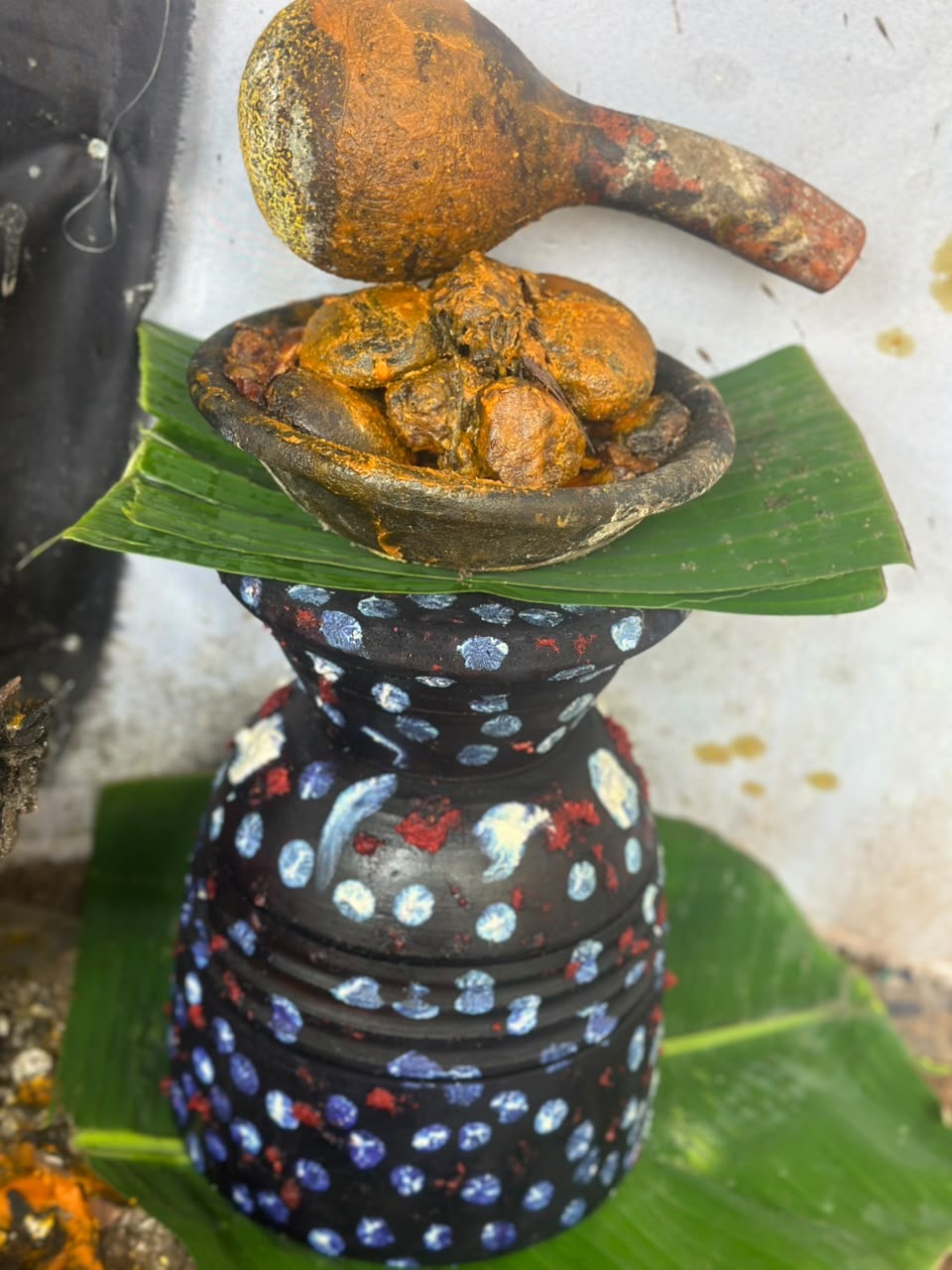
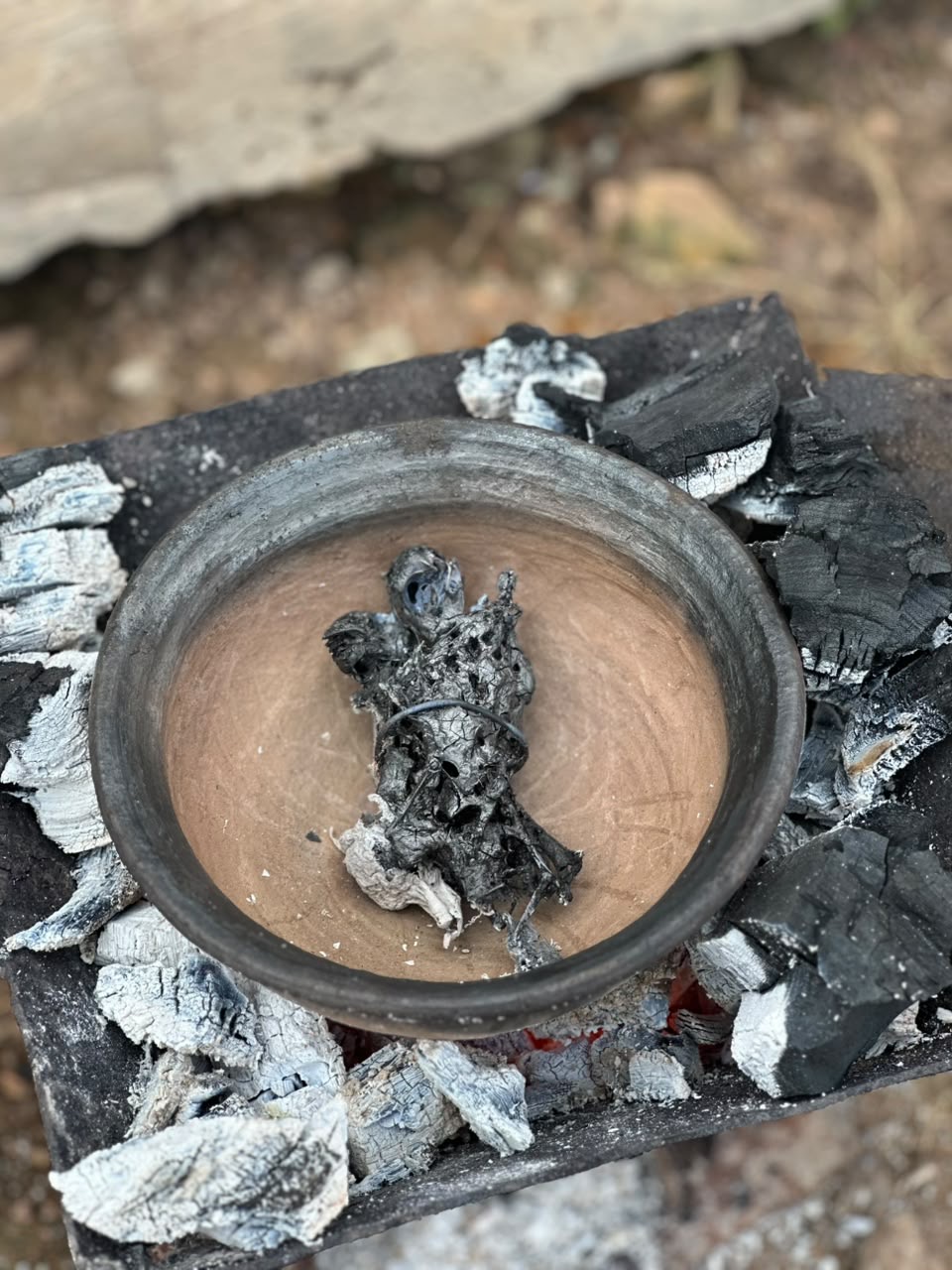
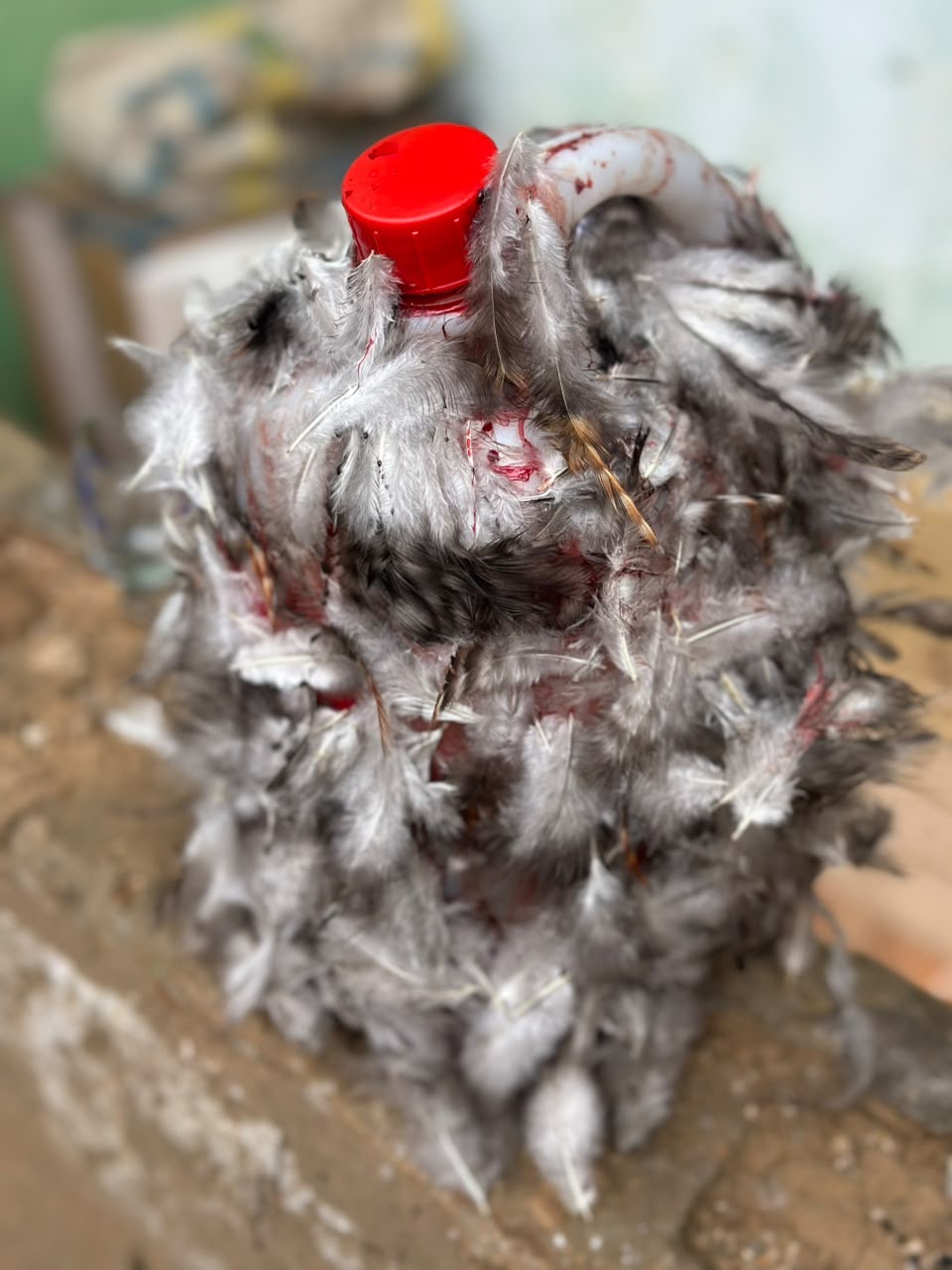
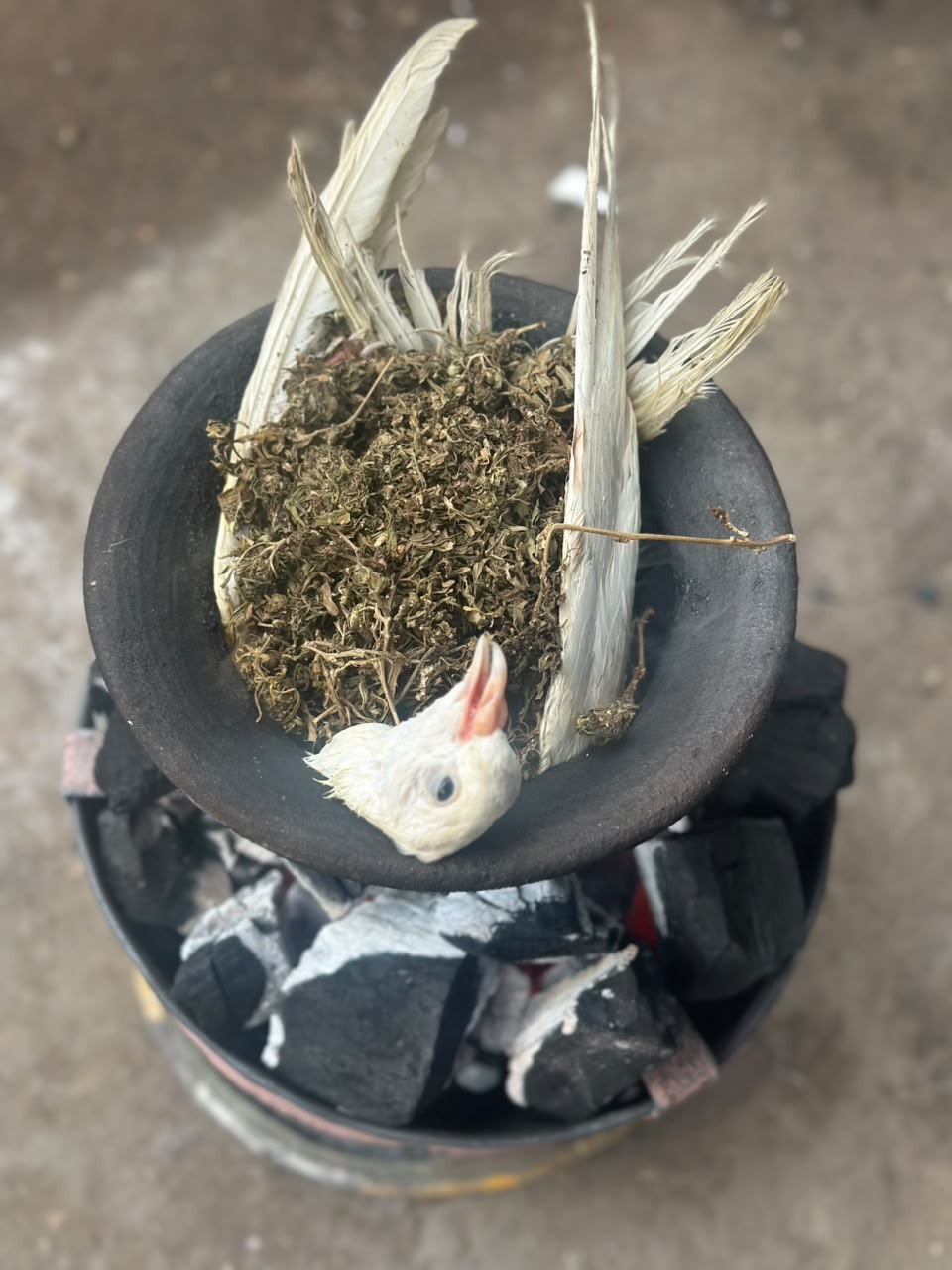
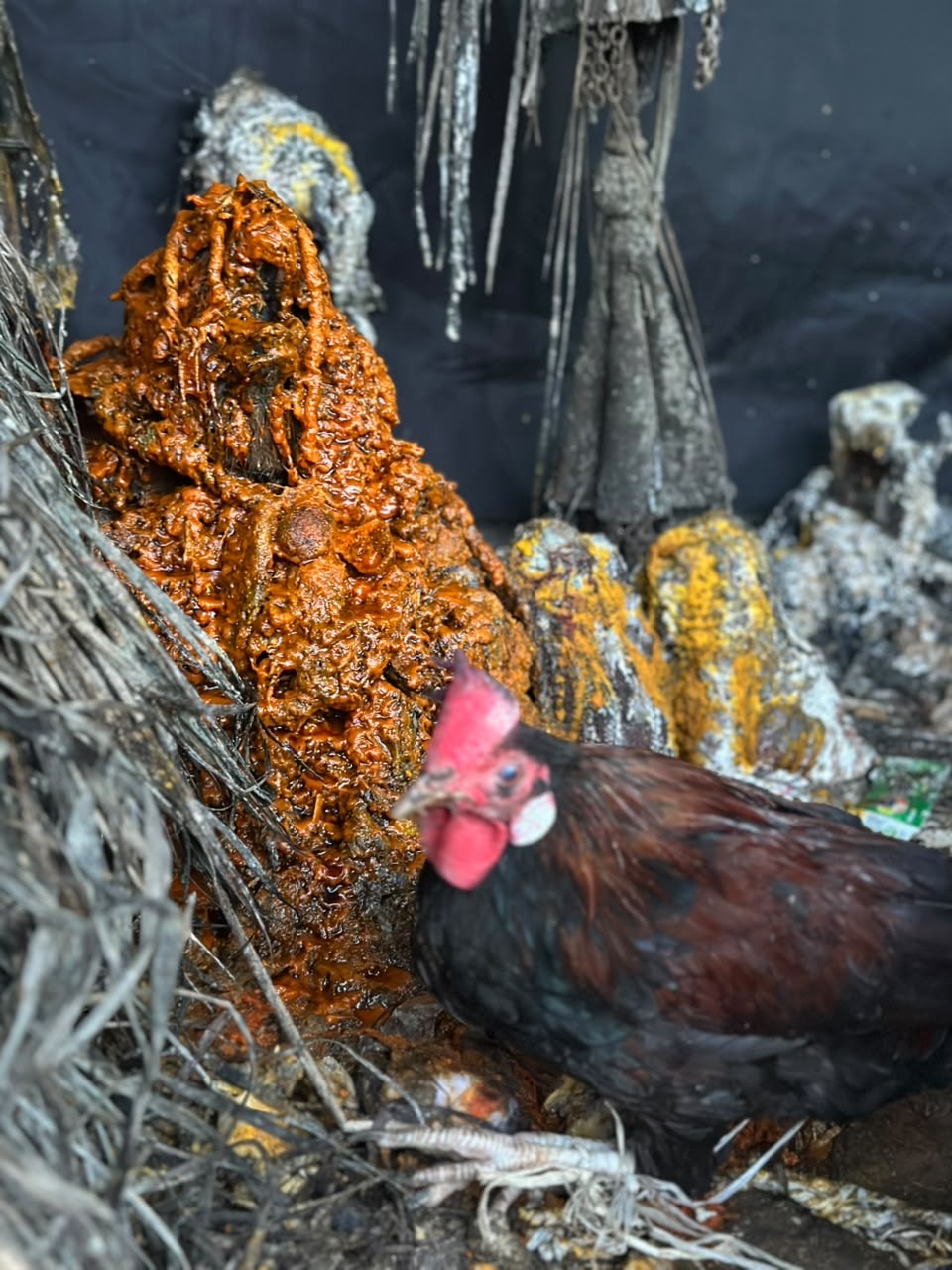
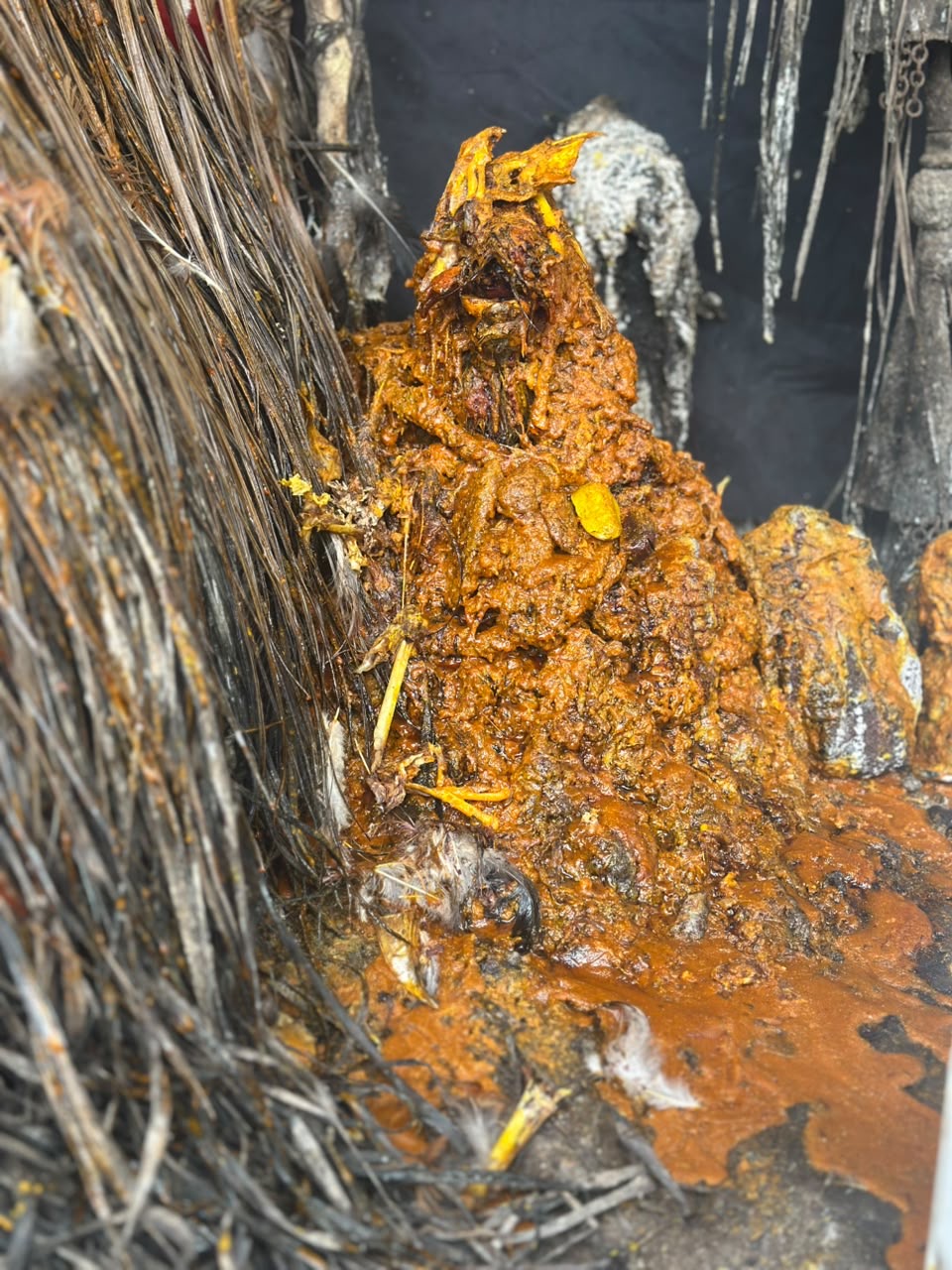
The living work of the Ile — preparation, divination and the sacred objects held in trust.